fbpx

Why the setting matters

When most people start looking for an engagement ring, it’s the diamond that gets all the attention. We completely understand why – it’s exciting to think about shape, sparkle and size. But one thing we always explain to our customers is that the setting is just as important.

The setting doesn’t simply hold the diamond in place. It influences how much light reaches the stone, how secure it is, how it sits on your finger and even how comfortable it feels to wear every day. That’s why we always encourage couples to look at a range of solitaire engagement rings, rather than focusing on the diamond alone.

Claw settings – timeless for a reason

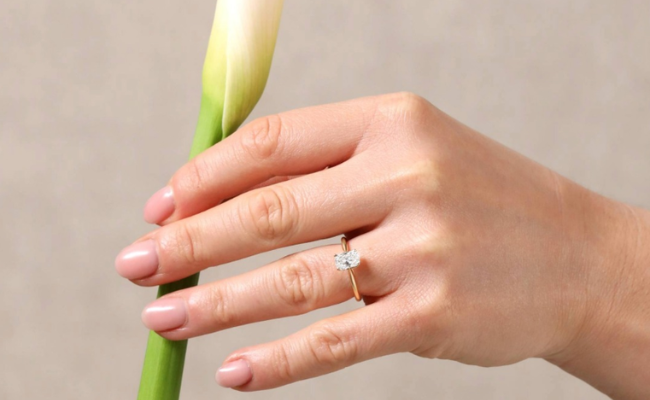
If you picture a classic solitaire engagement ring, chances are you’re imagining a claw setting. Small metal claws gently hold the diamond in place while allowing plenty of light to pass through the stone, creating the sparkle that solitaire rings are famous for.

Claw settings have remained popular for generations because they’re elegant, versatile and suit almost every diamond shape. They also allow the diamond to take centre stage without distracting from its natural beauty.

Four claws or six?

One question we’re often asked is whether four claws or six claws are better. The honest answer is that neither is right or wrong.

A four-claw setting can give the diamond a slightly more open appearance, allowing more of the stone to be seen. A six-claw setting offers a little more protection and can create a beautifully balanced look, particularly with round diamonds. Often, the decision comes down to personal preference, and we’ll happily show you both so you can decide which feels right.

Bezel settings – sleek and protective

If your lifestyle is particularly active, or you simply prefer clean, contemporary jewellery, a bezel setting could be the perfect choice. Instead of claws, a smooth rim of precious metal surrounds the diamond, holding it securely in place.

Many customers are surprised by just how elegant bezel settings can be. They offer a modern look while providing extra protection, making them particularly popular with people who work with their hands or simply want a ring that’s easy to wear every day.

Low-profile settings

Another option worth considering is how high the diamond sits above the band. A lower-profile setting keeps the diamond closer to your finger, making it less likely to catch on clothing or everyday objects.

We’ve found that many customers don’t think about this until they try different rings on. It’s often only when you wear them that you notice how differently each setting feels.

Balancing sparkle with practicality

It’s easy to fall in love with a ring online, but everyday life can be very different from a carefully styled photograph. A ring that looks stunning in pictures also needs to suit the way you live.

If you work with your hands, have young children or lead a particularly active lifestyle, some settings may be more practical than others. Equally, if your priority is showcasing the diamond with as much sparkle as possible, a classic claw setting may be exactly what you’re looking for.

Seeing the difference in person

One thing we’ve learnt over the years is that people often change their minds once they try different settings on. A style that looks perfect on a screen can feel completely different once it’s on your own hand.

That’s why we always encourage our customers to take their time. We’ll explain the advantages of each setting, answer any questions and let you compare different solitaire engagement rings side by side. If you’re also considering other styles, it’s worth exploring our collection of halo engagement rings, or browsing our full range of engagement rings. You may also find our blogs on Which diamond shape is best for a solitaire ring? and How to choose the perfect solitaire diamond: Understanding the 4 Cs helpful before making your final decision.

© Copyright 2026 - Regina Rowe Jewellers Torquay.